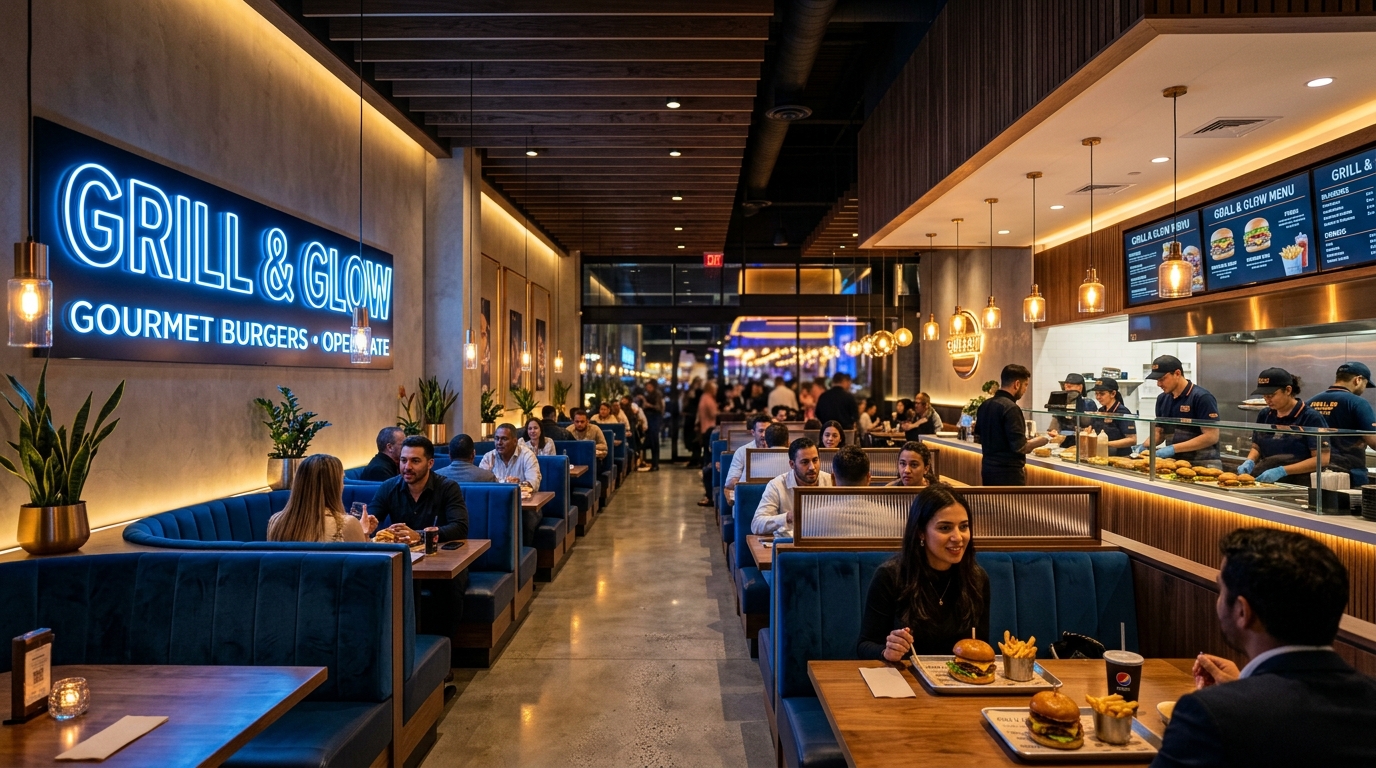
1. The Changing Geography of Retail Consumption
While Tier-1 metros have historically been the proving ground for food & beverage brands, saturated commercial real estate and exorbitant rental security deposits have squeezed unit-level EBITDA margins.
In contrast, fast-growing Tier-2 economic engines—including
Surat, Indore, Lucknow, Jaipur, Chandigarh, and Coimbatore—are generating superior cash-on-cash returns for franchise partners.
2. Rent-to-Revenue Disparities
In prime locations such as Indiranagar (Bengaluru) or Bandra (Mumbai), commercial retail rents frequently absorb
18% to 24% of monthly gross revenue.
In Tier-2 high streets:
- Rents typically account for
8% to 12% of gross revenue.
- Security deposits require 3 to 6 months of rent (compared to 10 to 12 months in Tier-1 metros).
- Fitout contractor costs and municipal approval timelines are 30% lower.
3. Stability and Operating Margins
Because staff attrition in Tier-2 cities is less than half that of metro cities, store operators spend far less on repetitive training and onboarding. Combined with lower operational overheads, store operating margins frequently reach
24% to 32%, resulting in full capital payback in as little as 9 to 13 months.